
An overbite is one of the most common orthodontic concerns, yet many parents and adults are unsure when—or if—it truly needs treatment. Timing matters, but the answer is not the same for everyone. The good news is that overbite teeth can often be corrected successfully at different stages of life with the right orthodontic approach.
Understanding how an overbite develops, why it matters, and what treatment looks like at various ages can help you make confident, informed decisions for yourself or your child. This guide breaks it all down in clear, practical terms.
What Are Overbite Teeth?
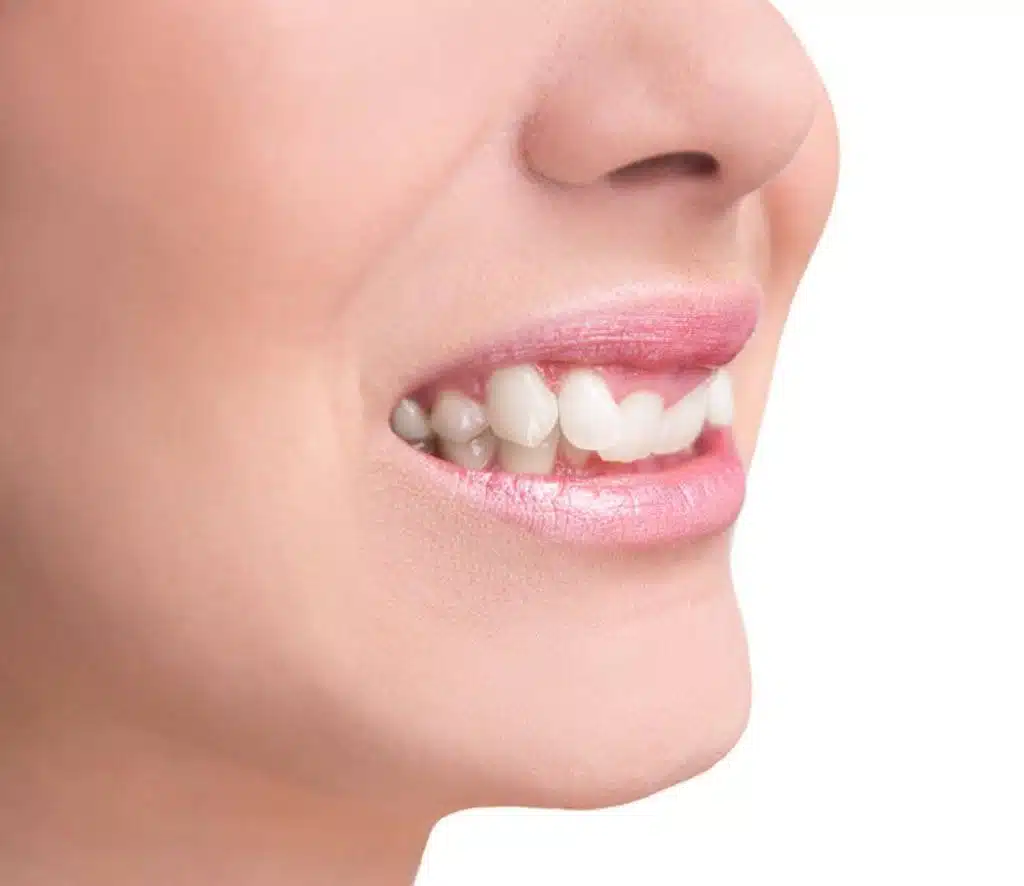
A teeth with overbite issue refers to how much the upper front teeth overlap the lower front teeth when the mouth is closed. Some overlap is normal and even helpful for chewing and speech. Problems arise when the overlap is excessive.
A simple way to think about it:
- Normal overbite: Upper teeth overlap the lower teeth slightly
- Excessive overbite (deep bite): Upper teeth cover too much of the lower teeth
- Minimal or no overbite: Teeth meet edge to edge, which can also cause issues
Visual aids, such as bite diagrams or orthodontic infographics, are often used during consultations to show how far a bite falls outside the healthy range.
Why Correcting an Overbite Matters
An untreated overbite is not just a cosmetic issue. Over time, it can affect comfort, function, and long-term oral health.
Key reasons orthodontists recommend correction include:
- Chewing and function: A deep bite can make it harder to chew efficiently
- Tooth wear: Lower teeth may wear down faster or contact the roof of the mouth
- Jaw strain: Improper bite alignment can contribute to jaw discomfort or tension
- Speech clarity: Some sounds may be harder to pronounce
- Smile confidence: Many patients feel self-conscious about the appearance of their bite
Correcting the bite early—or at the right time—can help prevent these issues from becoming more complex later.
Best Age to Correct Teeth with Overbite
There is no single “perfect” age, but orthodontists look at growth patterns, dental development, and bite severity to guide timing. The table below outlines how treatment considerations typically differ by age.
| Age Range | Common Approach | Why Timing Matters |
| Early childhood (7–9) | Monitoring or early appliances | Jaw growth can sometimes be guided before problems worsen |
| Pre-teen years (10–12) | Growth-modifying appliances or early braces | Remaining growth can improve efficiency of treatment |
| Teen years (13–18) | Braces or aligners | Most permanent teeth are present, allowing full correction |
| Adulthood | Braces or Invisalign | Treatment focuses on tooth movement rather than growth |
Early evaluations do not always mean immediate treatment. In many cases, orthodontists simply monitor growth and intervene only when needed.
Overbite Treatment Options by Age
Orthodontic treatment for overbite is tailored to both age and bite type. While the goal is the same—proper alignment—the tools used may differ.
Growth-Modifying Appliances
Often used for children who are still growing, these appliances help guide jaw development. They are most effective before growth spurts end.
Braces
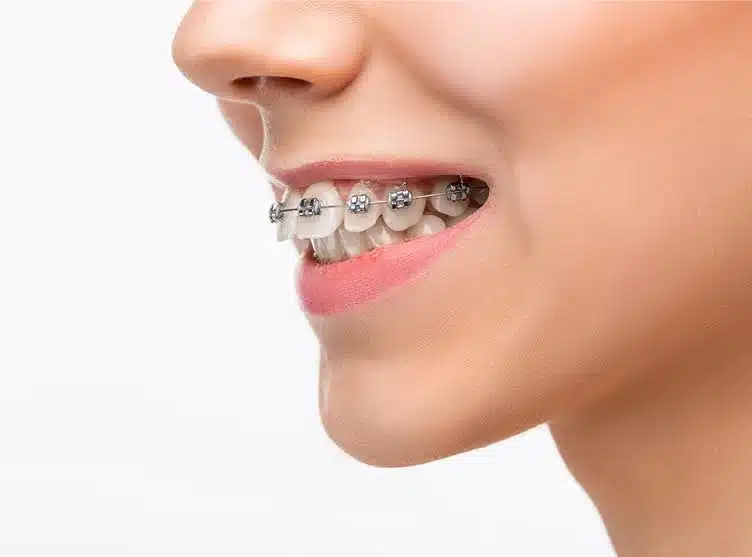
Traditional braces remain a reliable option for correcting complex bite issues. They allow precise control over tooth movement and are commonly used in teens and adults.
Invisalign
Clear aligners can be effective for many mild to moderate overbites. They are popular with older teens and adults who prefer a more discreet option.
Other Orthodontic Approaches
In some cases, a combination of appliances or phased treatment may be recommended to achieve stable, long-term results.
Can Adults Correct Overbite Teeth Successfully?
Yes—adults can absolutely pursue overbite correction treatment. While jaw growth has already completed, modern orthodontics focuses on precise tooth movement to improve alignment and bite function.
Adults often ask about:
- Effectiveness: Results can be highly successful with proper planning
- Timeline: Treatment may take slightly longer than in teens, depending on complexity
- Comfort: Advances in orthodontics have made treatment more comfortable than ever
Many adults are surprised by how manageable the process feels once they begin overbite treatment for teeth.
How an Orthodontist Determines the Right Timing
Orthodontic recommendations are never guesswork. A thorough evaluation helps determine both if and when treatment should begin.
A typical evaluation includes:
- Clinical exam to assess bite alignment and tooth position
- X-rays or digital scans to view jaw structure and tooth roots
- Bite analysis to measure overlap and contact points
- Growth assessment for children and teens
- Personalized treatment planning based on findings
This step-by-step process ensures that timing and treatment are appropriate for each individual.
Meet the Orthodontic Team
At Orthodontic Specialists of Palm Coast, patients are cared for by a collaborative team focused on long-term oral health and patient comfort.
The practice is led by experienced orthodontists including Dr. Keith Blankenship, Dr. Paul Johnson, and Dr. Sarah Asif. Their shared approach emphasizes clear communication, individualized planning, and evidence-based care for patients of all ages.
Frequently Asked Questions
1.Can an overbite correct itself with age?
Mild changes may occur, but significant overbites rarely resolve without orthodontic care.
2.Is early treatment always necessary?
Not always. Many children are monitored before active treatment begins.
3.How long does overbite correction take?
Treatment length varies, but many cases range from 12 to 24 months.
4.Does overbite treatment hurt?
Some pressure is normal during adjustments, but discomfort is typically mild and temporary.
5.Is Invisalign effective for overbites?
Invisalign can be effective for many cases, depending on bite severity and compliance.
6.What happens if an overbite is left untreated?
Over time, it may lead to tooth wear, jaw discomfort, or functional issues.
7.Will results last after treatment?
Retainers play a key role in maintaining long-term stability.
Final Thoughts on Overbite Correction at Any Age
Deciding when to address an overbite teeth is less about age alone and more about understanding how growth, bite function, and long-term oral health work together. While early evaluations can be helpful for guiding jaw development, teens often benefit from full corrective treatment once permanent teeth are in place. Adults, too, have highly effective options thanks to modern orthodontic techniques that focus on precision and comfort.
The most important takeaway is that overbite correction is not a one-size-fits-all decision. A personalized evaluation helps determine the right timing and approach based on individual needs, not assumptions. Whether you are a parent planning ahead or an adult considering treatment for yourself, informed guidance can make the process clearer and more reassuring.
With the right orthodontic plan, improving bite alignment can support healthier teeth, better function, and greater confidence at any stage of life.
Schedule an Orthodontic Evaluation in Palm Coast
If you or your child has concerns about overbite teeth or bite alignment, an orthodontic evaluation can provide clarity and peace of mind. Scheduling a consultation with Orthodontic Specialists of Palm Coast allows you to understand your options, timing, and next steps—without pressure. A thoughtful assessment today can help support a healthier, more comfortable smile for years to come.