
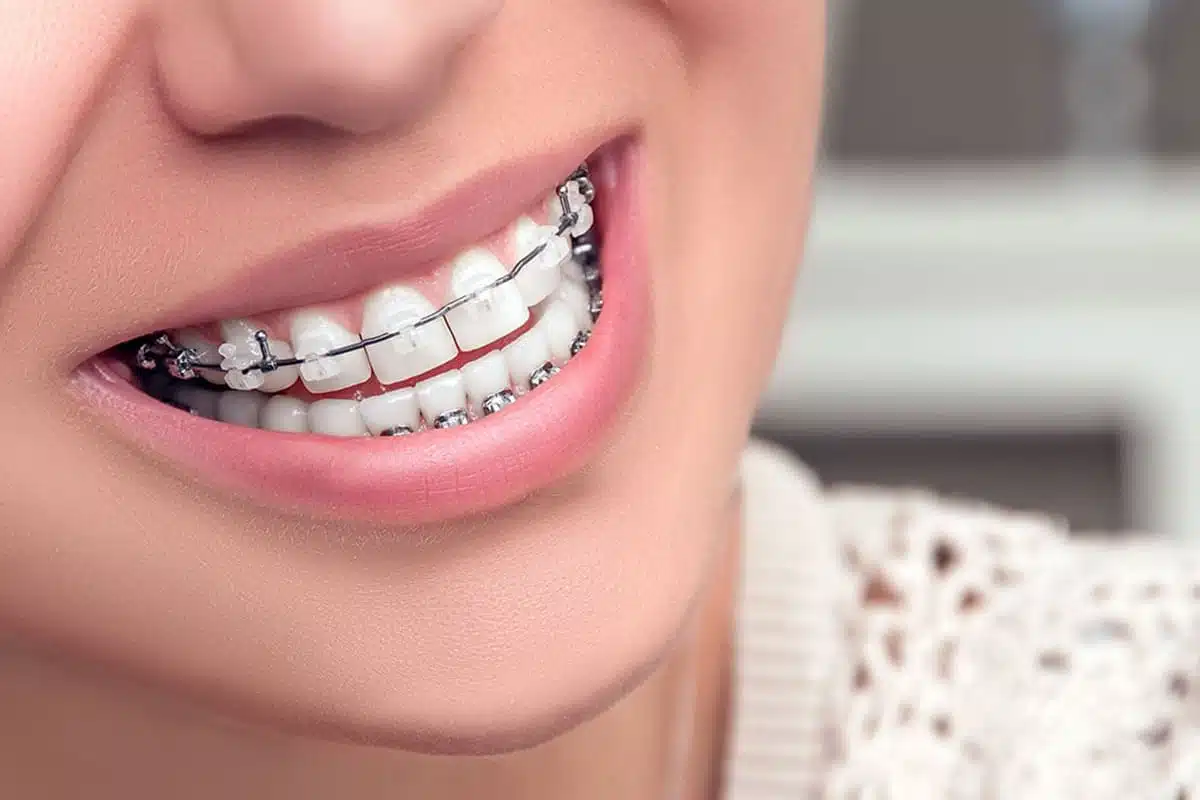
When patients start researching orthodontic treatment, one question comes up again and again: do ceramic braces take longer? Ceramic braces are popular across Palm Coast because they blend with your teeth and provide a more discreet option. Many teens and adults love that they offer the same general structure as metal braces, but with a more cosmetic appearance.
Before choosing a treatment, it helps to understand how they work and what affects the speed of tooth movement. This guide breaks down everything you need to know so you feel confident starting your smile journey.
What Makes Ceramic Braces Different?
Ceramic braces use tooth-colored or clear brackets that closely match the shade of your teeth. This design makes them far less noticeable than metal braces, and that appeals to many patients who prefer subtle orthodontic treatment. They provide the same predictable, controlled tooth movement that braces are known for, which is why they remain a trusted option for both teens and adults.
The material used for ceramic brackets is strong, durable, and designed to maintain its color throughout treatment. Ceramic braces also pair with advanced archwires that guide your teeth into better alignment. These features allow them to work effectively, though they may move teeth differently in some situations due to friction and bracket design. Understanding these differences helps you make an informed decision about your treatment path.
Do Ceramic Braces Take Longer? Understanding the Truth
Many patients ask, do ceramic braces take longer? The real answer depends on your individual case. Ceramic brackets can sometimes create more friction between the bracket and wire, which may slow movement in specific phases of treatment. However, orthodontists can adjust techniques, wire types, and planning strategies to compensate for this variance.
In many cases, ceramic braces straighten teeth at a similar pace to metal braces. What matters most is your treatment plan, your orthodontist’s expertise, and how your teeth respond to movement. At Orthodontic Specialists of Palm Coast, the team evaluates every patient carefully to ensure that ceramic braces perform efficiently and predictably.
How Long Do Ceramic Braces Take Compared to Metal Braces?
Many people wonder: how long do ceramic braces take from start to finish? The average orthodontic timeline ranges from 18 to 30 months, depending on the complexity of the case. Ceramic braces may fall within this same window, though certain situations may require a bit more time due to the bracket material and movement mechanics.
Even with these differences, most patients do not notice a significant delay. Minor adjustments in planning and wire selection allow orthodontists to maintain steady progress. The biggest factor remains your unique orthodontic needs, including how much movement is required and how your bite functions.
Do Ceramic Braces Take Longer to Straighten Teeth? Key Factors
Many patients also ask, do ceramic braces take longer to straighten teeth when compared to metal options. The answer depends on several key elements, including case complexity, bite alignment, age, and compliance. For example, correcting crowding or rotating certain teeth may take slightly more time with ceramic brackets due to how they guide movement.
Dr. Paul Johnson and Dr. Sarah Asif often explain that biology plays a bigger role than bracket material. Your gums, bone density, and natural healing speed influence tooth movement far more than the braces themselves. When patients follow care instructions and attend appointments regularly, treatment usually remains on schedule.

Do Ceramic Braces Require More Time in Certain Cases?
Some patients wonder, do ceramic braces require more time for specific orthodontic challenges. Ceramic braces may take slightly longer in cases with heavy bite correction, significant rotations, or large tooth movements. This is due to the gentle way ceramic brackets interact with wires.
Dr. Keith Blankenship often notes that ceramic braces are ideal for cosmetic-focused patients who value aesthetics throughout treatment. His experience with cosmetic orthodontics allows him to fine-tune treatment plans so patients achieve strong results, even when using ceramic materials. The difference in time, if any, is usually small and depends on individual needs.
How Orthodontists Minimize Treatment Time with Ceramic Braces
Modern orthodontists use advanced tools and planning methods to keep ceramic braces efficient. High-tech wires with lower friction help teeth move smoothly and consistently. Digital treatment planning allows orthodontists to predict movement and refine each phase before treatment even begins.
Experienced providers like Dr. Asif and Dr. Johnson use detailed diagnostics to understand how each patient’s teeth respond to movement. With careful adjustments and regular monitoring, they minimize delays and ensure every stage stays on track. Today’s ceramic braces are far more advanced than earlier versions, making treatment times more comparable to metal braces than ever before.
What to Expect Throughout Your Ceramic Braces Timeline
Every orthodontic journey moves through several predictable phases, though your experience may vary depending on your needs.
Early Alignment Phase
During the first few months, your braces focus on straightening your teeth and reducing initial crowding. This phase often moves quickly because the goal is to align the arches.
Space Correction Phase
If you need gaps closed or space created, your orthodontist uses special wires or small elastic chains to guide teeth into better positions. This phase may take a bit longer depending on your spacing needs.
Bite Adjustment Phase
Your bite is just as important as your smile’s appearance. Your doctor adjusts the braces to improve how your top and bottom teeth meet. This part of the treatment may involve elastics or other accessories.
Detailing Phase
In the final months, your orthodontist fine-tunes the positions of your teeth. Small adjustments create the most balanced and aesthetically pleasing result.
Average Visit Schedule
Most patients visit the office every six to eight weeks. These appointments keep treatment moving and ensure wires and elastics remain effective.
Ceramic Braces for Teens vs. Adults: Treatment Time Differences
Teens and adults both benefit from ceramic braces, though their bodies respond differently. Teens tend to experience faster movement because their bones are still developing. Adults often see steady but slower movement due to denser bone structure.
Lifestyle also plays a role. Teens may have an easier time adapting to braces, while adults may need to avoid certain foods or habits that could damage ceramic brackets. Both age groups can achieve great results with consistent care and follow-through.
Tips to Speed Up Your Treatment With Ceramic Braces
A few simple habits help keep your timeline on track:
- Brush well and keep your braces clean. Plaque slows movement and creates irritation.
- Avoid hard or sticky foods. These foods can damage brackets and delay progress.
- Wear elastics exactly as instructed. They are essential for proper bite correction.
- Keep your appointments. Regular visits allow your orthodontist to adjust wires and ensure movement continues.
- Follow all instructions carefully. Cooperation is one of the biggest factors in treatment success.

Ceramic Braces at Orthodontic Specialists of Palm Coast
At Orthodontic Specialists of Palm Coast, patients receive personalized care tailored to their smile goals, treatment needs, and lifestyle. Dr. Keith Blankenship, Dr. Paul Johnson, and Dr. Sarah Asif use advanced diagnostic tools, digital planning, and high-efficiency materials to ensure your ceramic braces work smoothly and predictably.
Their goal is to create a comfortable, streamlined experience while protecting both function and aesthetics. Every plan is crafted with careful attention to detail so you can feel confident throughout your treatment.
Conclusion — Choosing the Right Braces for Your Timeline and Lifestyle
Ceramic braces offer a discreet and effective orthodontic option for patients who value aesthetics. While many people ask, do ceramic braces take longer, the reality is that treatment time depends on biology, case complexity, and expert planning. With proper care and a skilled orthodontic team, ceramic braces can deliver excellent results within a similar timeline to metal braces.
If you’re considering ceramic braces, our Palm Coast orthodontic team is here to guide you. Schedule your consultation today and start your journey toward a confident smile.